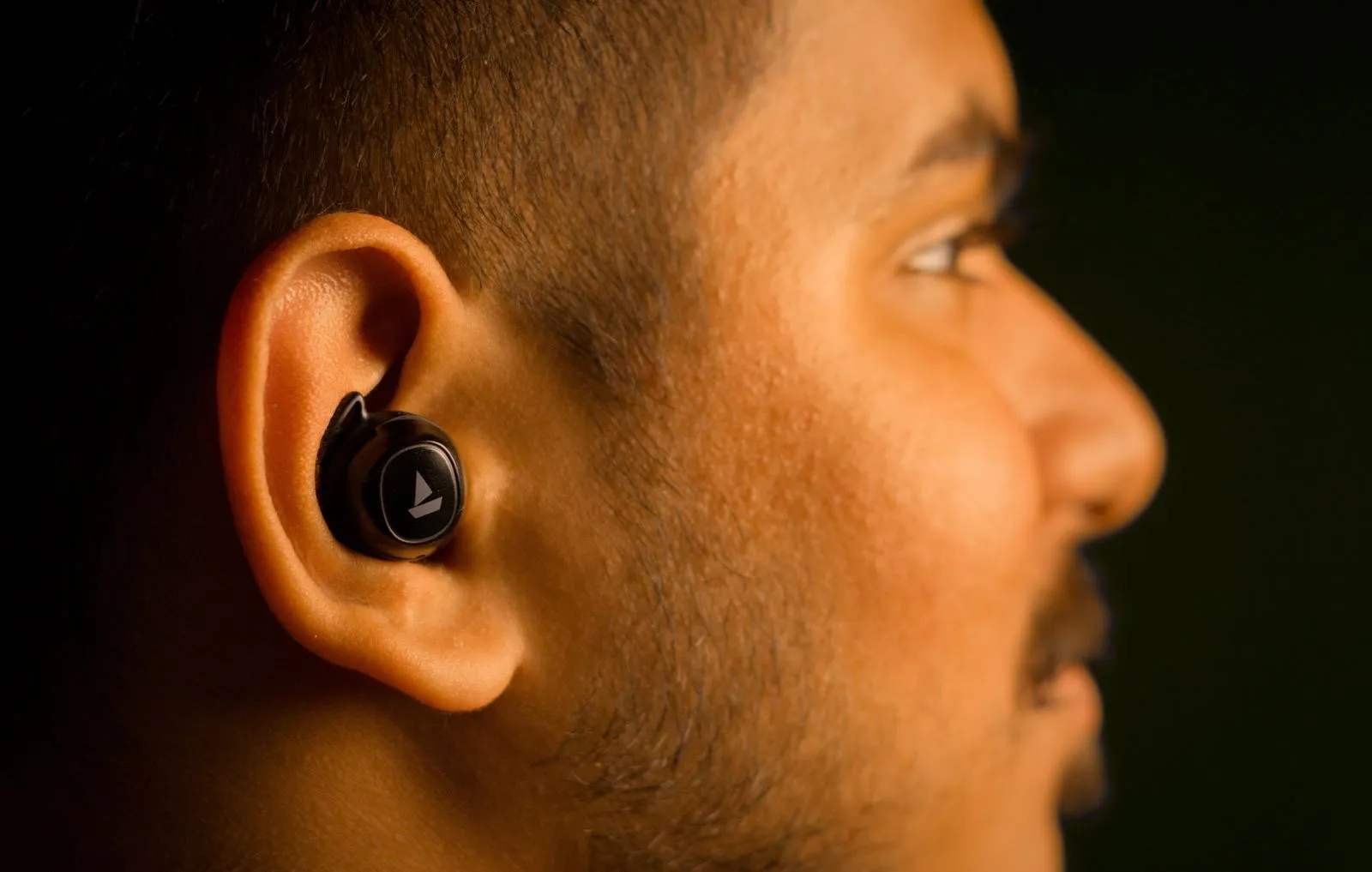
Invisible hearing aids are small devices made to sit in or near the ear canal, but “invisible” does not describe one single design or guarantee that a device cannot be seen. The right placement depends on the style, the shape and size of your ear canal, and your hearing needs. Understanding the main options can help you ask useful questions at a fitting. A hearing evaluation can also clarify whether a small in-the-ear device is practical for you.
Common In-the-Ear Styles
Completely-in-canal (CIC) hearing aids sit deep in the ear canal, with a small portion near the opening for removal. Invisible-in-canal (IIC) models are designed to sit even farther inside, often beyond the canal’s bend. Their position may make them less noticeable from the outside, though visibility varies with ear anatomy and the specific device.
Other custom in-the-ear styles occupy more space. In-the-canal (ITC) devices sit partly in the canal and may extend into the outer ear. Full-shell and half-shell models rest in the bowl-shaped outer ear, so they are generally more visible but can offer more room for controls, batteries, or other features. Exact designs vary by manufacturer.
Placement Depends on Your Ear
A custom device is made from impressions or digital scans of your ears. The canal’s length, width, curves, and opening affect how deeply a device can sit and how securely it stays in place. One person may be suited to a deep-fitting model, while another may need a device that sits closer to the opening for comfort or reliable handling.
Earwax, moisture, skin sensitivity, and dexterity can also affect day-to-day fit. A deeper device may be harder to insert, remove, or clean, and small controls can be challenging to operate. Tell the hearing professional about any discomfort, past ear surgery, frequent wax buildup, or difficulty handling small objects so those factors can inform the recommendation.
What an Evaluation Can Determine
A hearing evaluation measures how well you hear different pitches and speech levels. The results help the hearing professional understand the type and degree of hearing loss and whether amplification may help. The evaluation may also include questions about listening situations, communication goals, medical history, and preferences for appearance and device handling.
An ear examination can identify concerns such as excessive wax or a condition that needs medical attention before a device is fitted. The professional can assess whether your ear canal can accommodate a particular style and discuss its likely comfort, visibility, and maintenance needs. A small device is not automatically the best choice; hearing needs and safe, workable placement matter as much as size.
Fit Requires Follow-Up
After selecting a style, the device is programmed to match your hearing test and adjusted using your feedback. The professional should check that it sits comfortably and securely, then explain insertion, removal, cleaning, and storage. Follow-up visits allow adjustments if sounds seem too sharp, speech remains unclear, or the device causes pressure or irritation.
Keep the device clean and follow the manufacturer’s care instructions. Do not push it deeper if it feels stuck or painful. Contact your hearing professional for persistent discomfort, feedback, changes in fit, or difficulty removing it. For questions about in-the-ear options, Lexington Hearing Center in Lexington can discuss an evaluation and fitting process.
In-the-ear hearing aids range from deep canal designs to styles that fill part of the outer ear. Your anatomy, hearing results, comfort, and ability to manage the device all help determine a suitable fit. Ask a hearing professional to explain the tradeoffs and assess your ears before choosing a style. You can contact Lexington Hearing Center to discuss next steps.